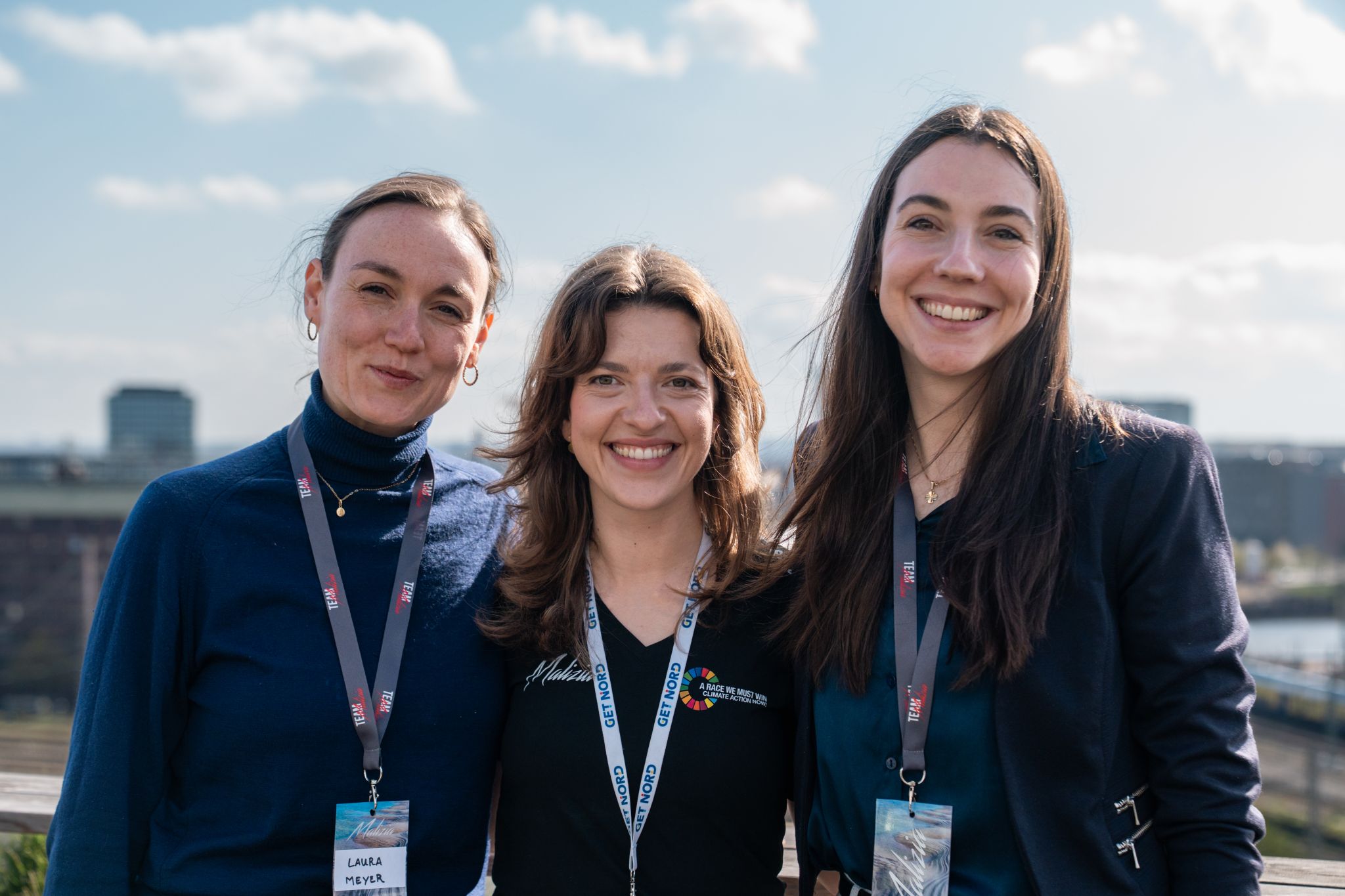
Jacqueline Behncke

Dr. rer. nat. · Postdoctoral Researcher · Climate Scientist

“Turning data into decisions, and decisions into impact.”

I am a marine carbon cycle scientist combining in situ and satellite observations, model data, and machine learning to study air–sea CO2 exchange and surface ocean carbonate dynamics. My work spans the design of effective observing systems — simulating which platforms are best equipped with sensors, with a focus on the Southern Ocean — as well as small-scale coastal processes and the question of how reliably marine CO2 removal can be measured. I am based at Helmholtz-Zentrum Hereon and GEOMAR Helmholtz Centre for Ocean Research Kiel.

Research

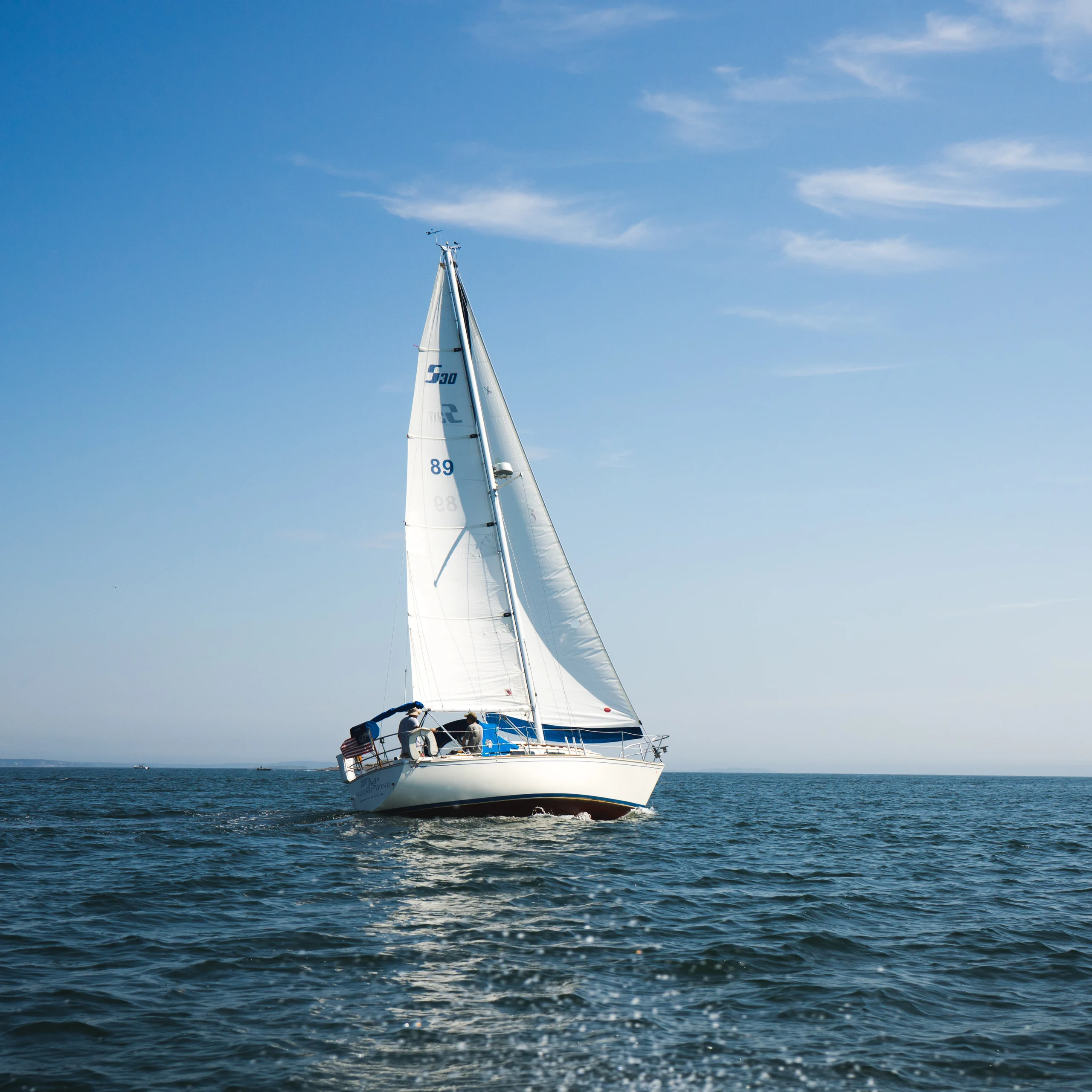
I am a data scientist working on the ocean carbon cycle: across every project I study the processes that move carbon between the ocean and the atmosphere, and how well we can observe them. Much of the Southern Ocean is sampled too sparsely to constrain its uptake of CO2, so I ask which platforms could close those gaps and by how much — racing yachts and other citizen-science vessels carrying underway pCO2 sensors, opportunistic sampling from fisheries, autonomous platforms — testing each strategy with machine learning inside model testbeds where the true flux field is known. At smaller scales I use high-frequency observations to resolve coastal processes such as phytoplankton blooms. Alongside this I work on marine carbon dioxide removal at Hereon, assessing the feasibility and environmental impacts of mCDR approaches and the monitoring, reporting and verification strategies they will require.

Findings in brief

Experience

08/2026 – est. 06/2030

Postdoctoral Researcher

Helmholtz-Zentrum Hereon, Geesthacht (GER)

Assessing marine carbon dioxide removal (mCDR) approaches through analysis of air–sea CO2 exchange measurements, and evaluating feasibility, efficiency, environmental impacts and monitoring, reporting and verification (MRV) strategies within the MAR-CO2 project.

50% until 12/2026, in parallel with GEOMAR; full-time thereafter
01/2026 – 12/2026

Postdoctoral Researcher

GEOMAR Helmholtz Centre for Ocean Research Kiel (GER)

Developing and evaluating ocean carbon observing strategies for the Southern Ocean carbon sink using observing system simulation experiments, within the EU-funded TRICUSO project (Three Research Infrastructures Together: Carbon Uptake Southern Ocean).

10/2025 – 12/2025

Postdoctoral Researcher

Max Planck Institute for Meteorology, Hamburg (GER)

Observing system simulation experiments with the HAMOCC ocean biogeochemistry model to reduce air–sea CO2 flux uncertainties. Working group: Modeling the carbon cycle in the Earth system.

04/2022 – 10/2025

PhD Researcher

Max Planck Institute for Meteorology, Hamburg (GER)

Investigating the role of novel citizen-science sailboats in advancing our understanding of the ocean carbon sink, including uncertainty quantification of air–sea CO2 flux estimates and evaluation of high-frequency pCO2 observations.

  • Data analysis and visualisation, machine learning, scientific writing, peer review, mentoring and supervision
  • SOLAS Summer School, Mindelo, Cabo Verde (2023); Southern Ocean Summer School, Cargèse, Corsica (2024)
04/2021 – 02/2022

Research Assistant

Max Planck Institute for Meteorology, Hamburg (GER)

Analysis of three years of global sailing-yacht observations to investigate regional variability in surface ocean carbon, including the effects of temperature and phytoplankton activity.

2019 – 2020

Research / Student Assistant

GEOMAR Helmholtz Centre for Ocean Research — Peru · Gran Canaria · Kiel

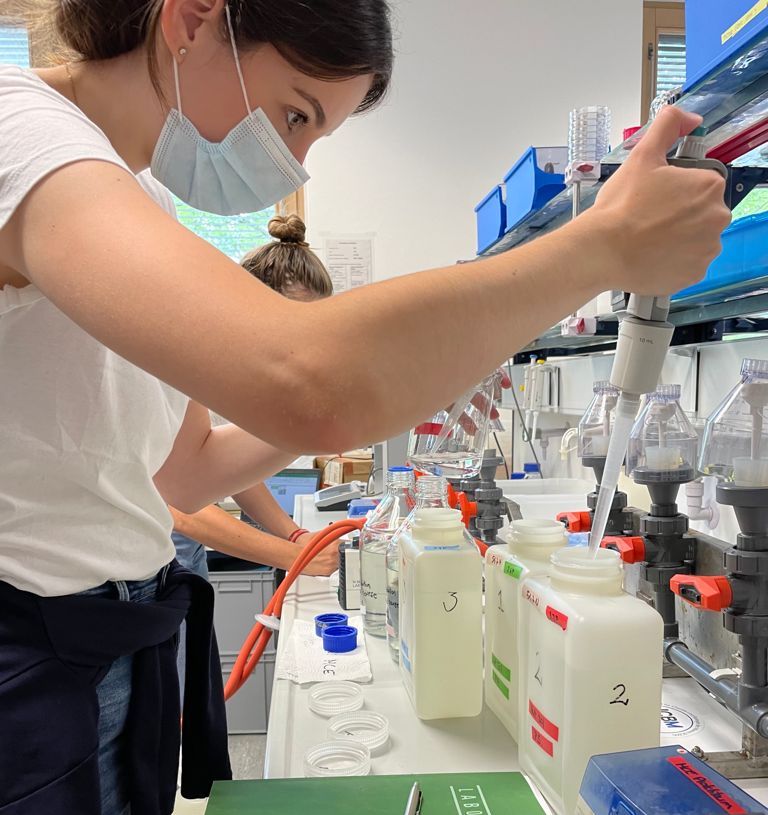
Laboratory and field experiments: sample preparation, analytical methods, data processing, statistical analysis and quality control in an interdisciplinary research environment.

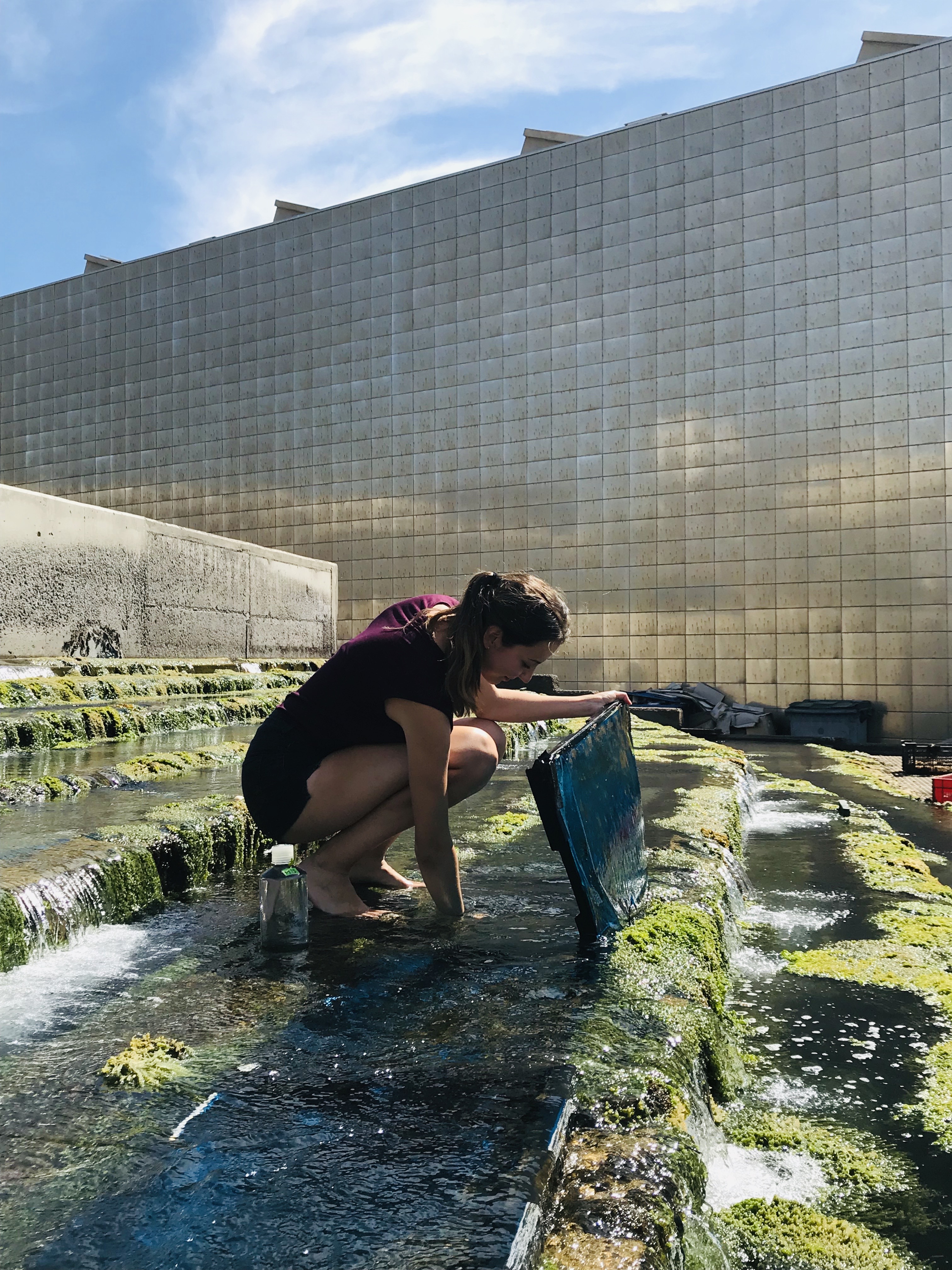
  • 02/2020 – 04/2020, Callao (PER) — stable isotope incubations quantifying phytoplankton productivity under varying light and nutrient conditions in the Humboldt upwelling system (CUSCO).
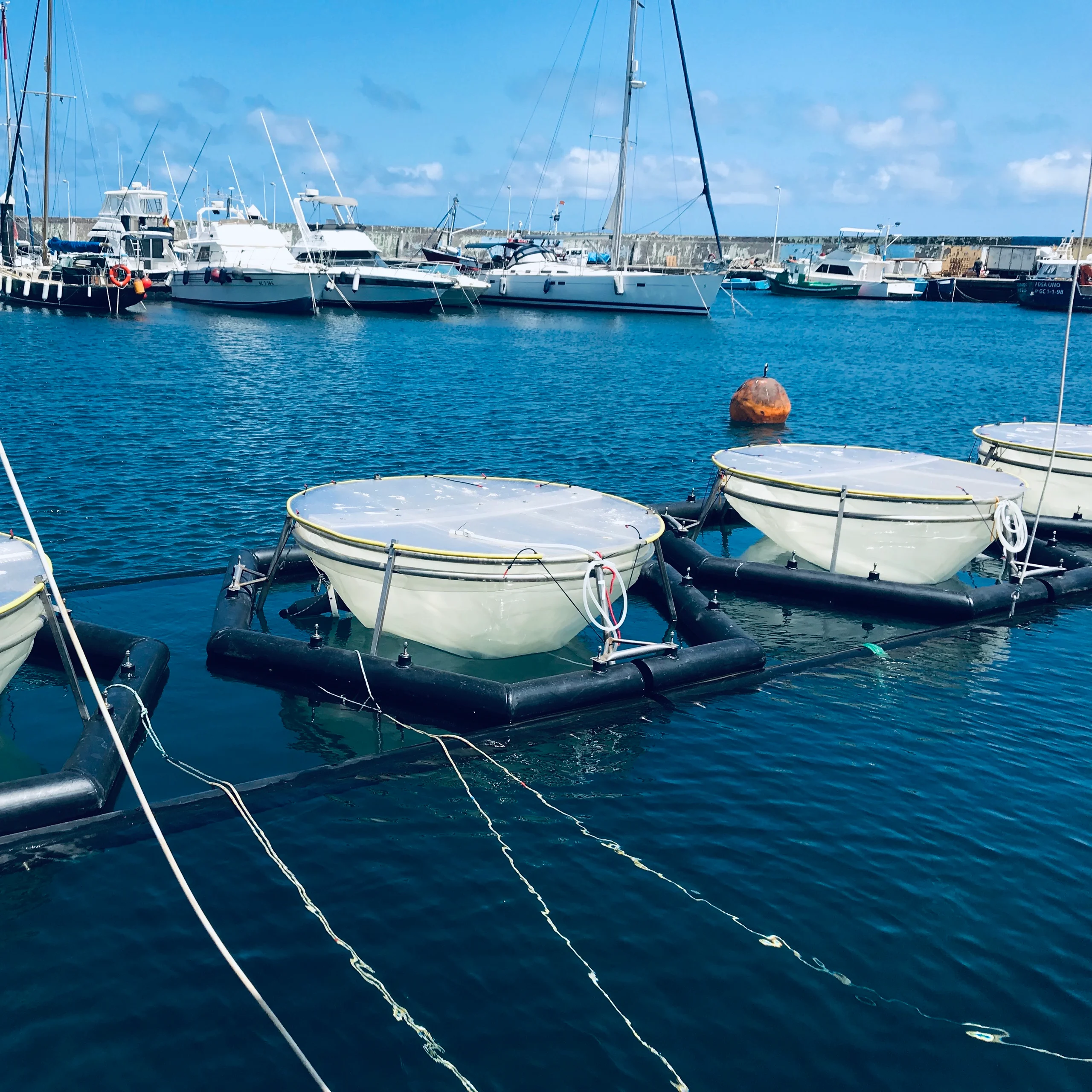
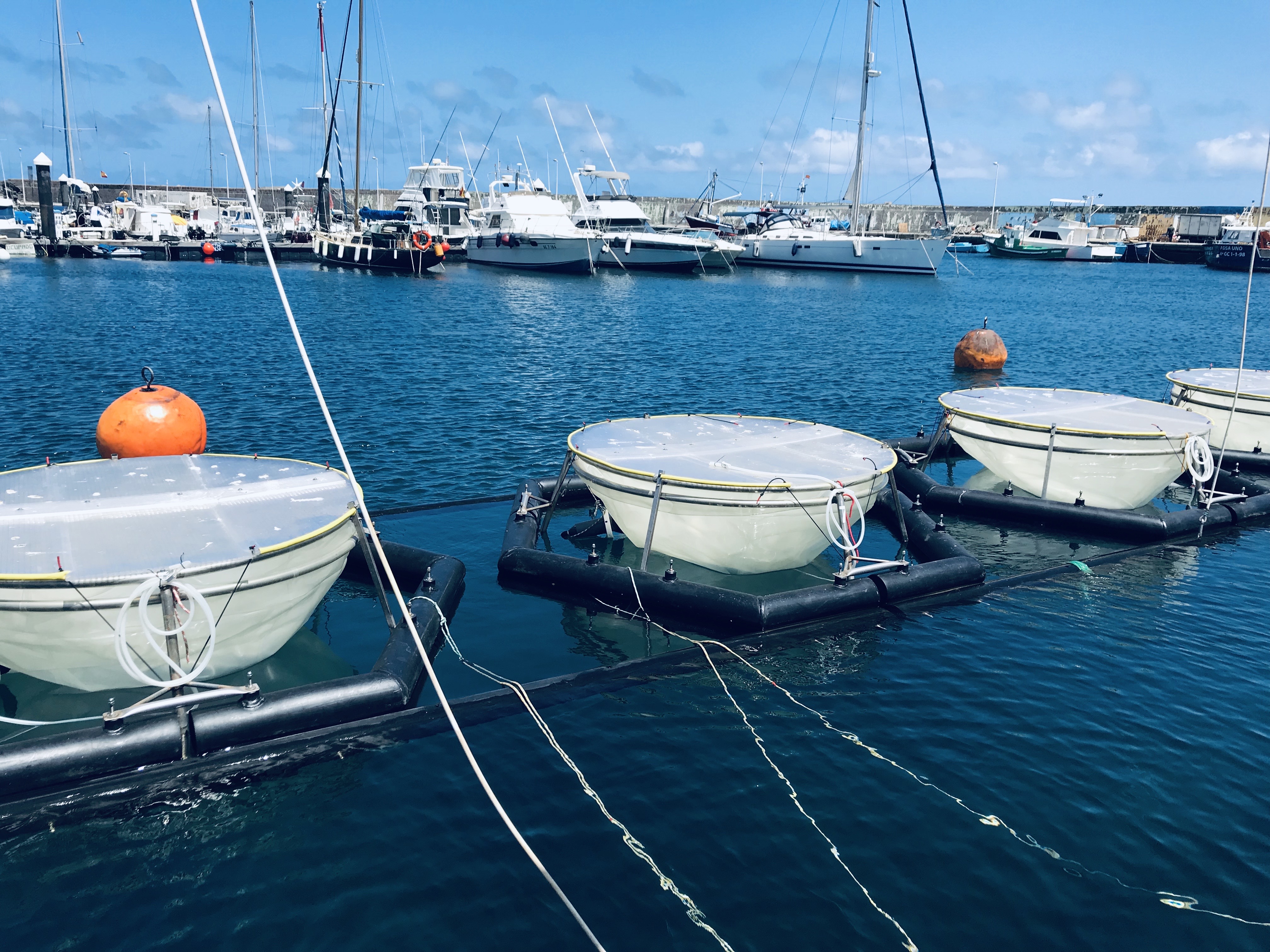
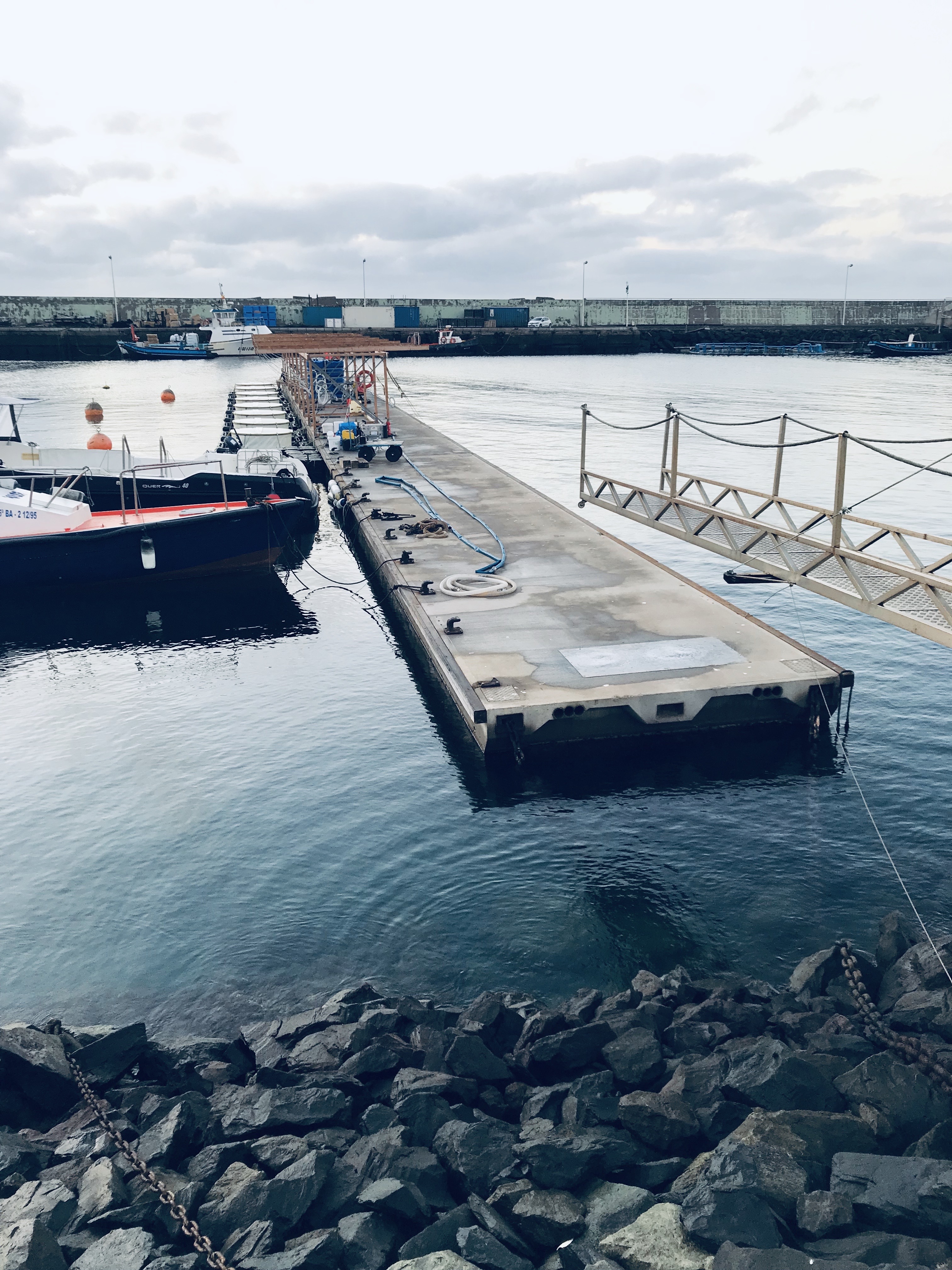
  • 09/2019 – 10/2019, Gran Canaria (ESP) — artificial upwelling impacts on ocean productivity, carbon export and fish production (Ocean artUp).
  • 03/2019 – 04/2019, Kiel (GER) — independent design and implementation of an experiment on the sensitivity of fluorescent dissolved organic matter to oxygen conditions.
08/2015 – 07/2016

Voluntary Ecological Year

BUND Natur-, Umwelt- und Abfallberatungsstelle, Preetz (GER)

Public relations in environmental consulting; supervising children's groups and supporting a wildlife shelter; planning and coordination of exhibitions and group events.

Education

2022 – 2025

PhD in Earth System Sciences

IMPRS on Earth System Modelling, Max Planck Institute for Meteorology, Hamburg (GER)

The Role of Sailboats in Advancing Our Understanding of the Ocean Carbon Sink.
Grade 1.0, magna cum laude.

2019 – 2022

M.Sc. Marine Umweltwissenschaften

Carl von Ossietzky Universität Oldenburg (GER)

Effect of Light and Upwelling Intensity on the Phytoplankton Community Composition in the Peruvian Upwelling System.
Degree grade 1.2, thesis 1.3.

2016 – 2019

B.Sc. Geoökologie

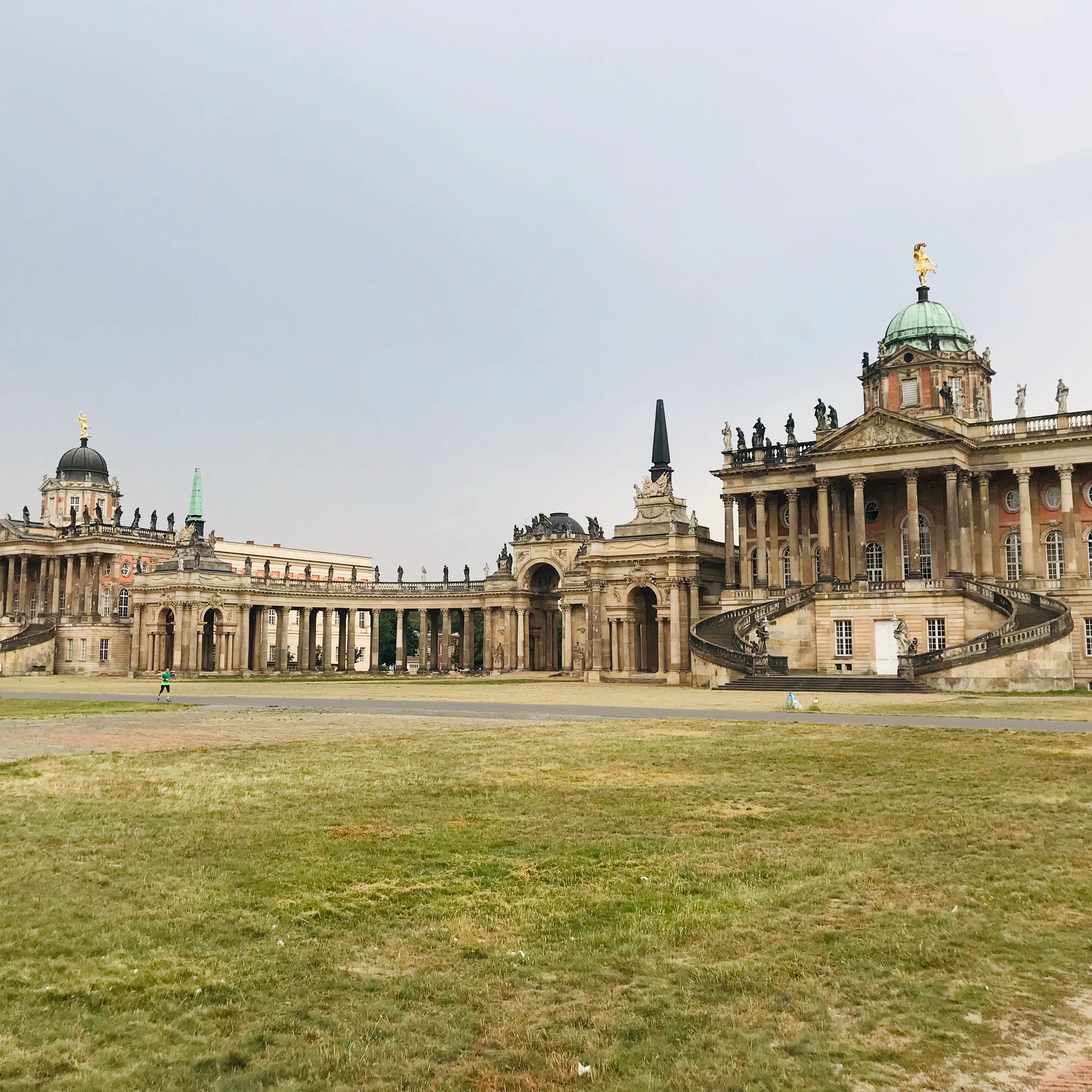
Universität Potsdam (GER)

Identification of Biogeochemical Processes in Long-term Monitoring Data in Coastal Waters of Mecklenburg-Vorpommern.
Degree grade 1.6, thesis 1.1.

Publications

Peer-reviewed

Behncke, J., Ilyina, T., Chegini, F. & Landschützer, P. (2026). Improved air–sea CO2 flux estimates from sailboat measurements. Science Advances 12(2), eadz1502. doi:10.1126/sciadv.adz1502

Findings in brief

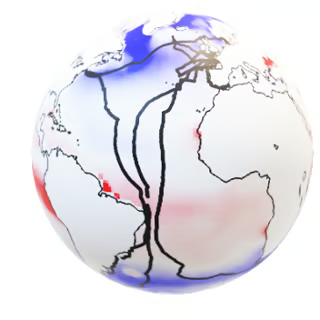
Can sailboat data improve the ocean carbon sink estimate, and how much would additional circumnavigations help? We investigated the extent to which sailboat data not only change but improve previous estimates of the ocean sink, using the ocean model MPI-OM/HAMOCC and a machine learning algorithm to test whether particular measurement strategies produce estimates more consistent with the model reality.

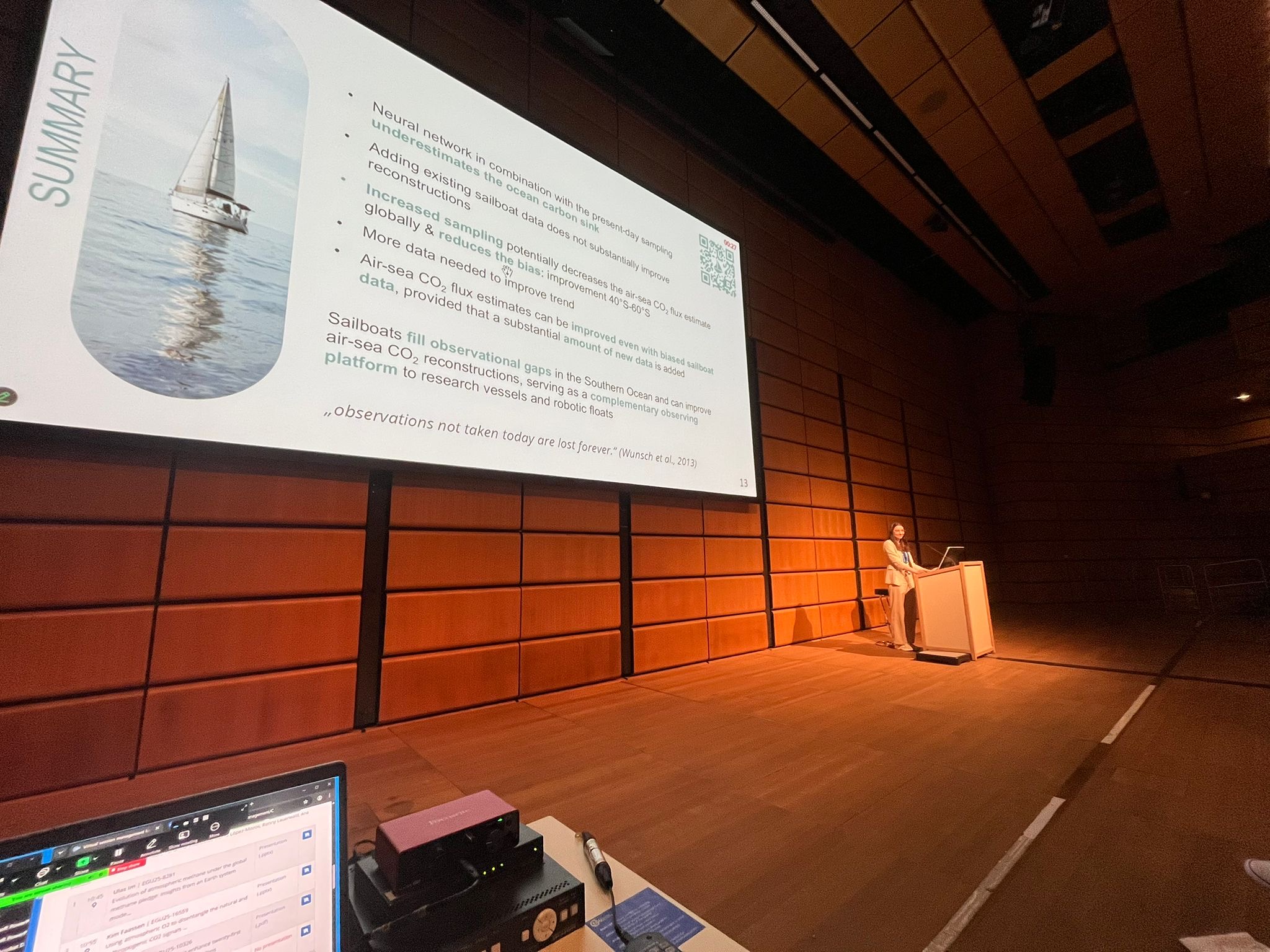
With the current observational network and existing sailboat data, the ocean carbon sink was underestimated. With two additional circumnavigations the estimate strengthens and agreement with the model truth improves. Data quantity can compensate for limited quality to a degree, but systematic measurement bias must be avoided.

The long-term development of CO2 uptake in the Southern Ocean is still not accurately captured. More observations are needed, and sailboat data can help meet that demand.

Thielecke, A. U., et al. (including Behncke, J.) (2025). Disentangling upwelling: how light and nutrient supply shape primary producers and stoichiometry in the Humboldt upwelling system. Deep-Sea Research Part II 223, 105522. doi:10.1016/j.dsr2.2025.105522

Behncke, J. (2025). The role of sailboats in advancing our understanding of the ocean carbon sink. PhD thesis. Berichte zur Erdsystemforschung 293. ediss.sub.uni-hamburg.de

Findings in brief

Extremsport trifft Klimaforschung: Ein Segelboot auf Weltumsegelung misst nebenbei Kohlenstoffdioxid in entlegenen Meeresregionen — doch wie hilfreich sind diese Messungen tatsächlich?

Weite Teile des Südpolarmeers wurden nie vermessen, weil sich Forschungsschiffe und Frachter kaum dorthin wagen. Segelyachten, die diese Regionen im Rahmen von Regatten ohnehin durchqueren, füllen diese Lücken. In meiner Doktorarbeit zeige ich, dass bereits die Messdaten eines einzelnen Segelbootes die Schätzung der CO2-Aufnahme des Ozeans verändern — und dass zwei zusätzliche Weltumsegelungen sie messbar verbessern würden.

Ganzen Artikel lesen →

Behncke, J., Landschützer, P. & Tanhua, T. (2024). A detectable change in the air–sea CO2 flux estimate from sailboat measurements. Scientific Reports 14(1), 3345. doi:10.1038/s41598-024-53159-0

Findings in brief

How much does a single measurement campaign matter when estimating the ocean carbon sink? In the underobserved Southern Ocean, pCO2 observations from a single sailboat change the estimate a lot.

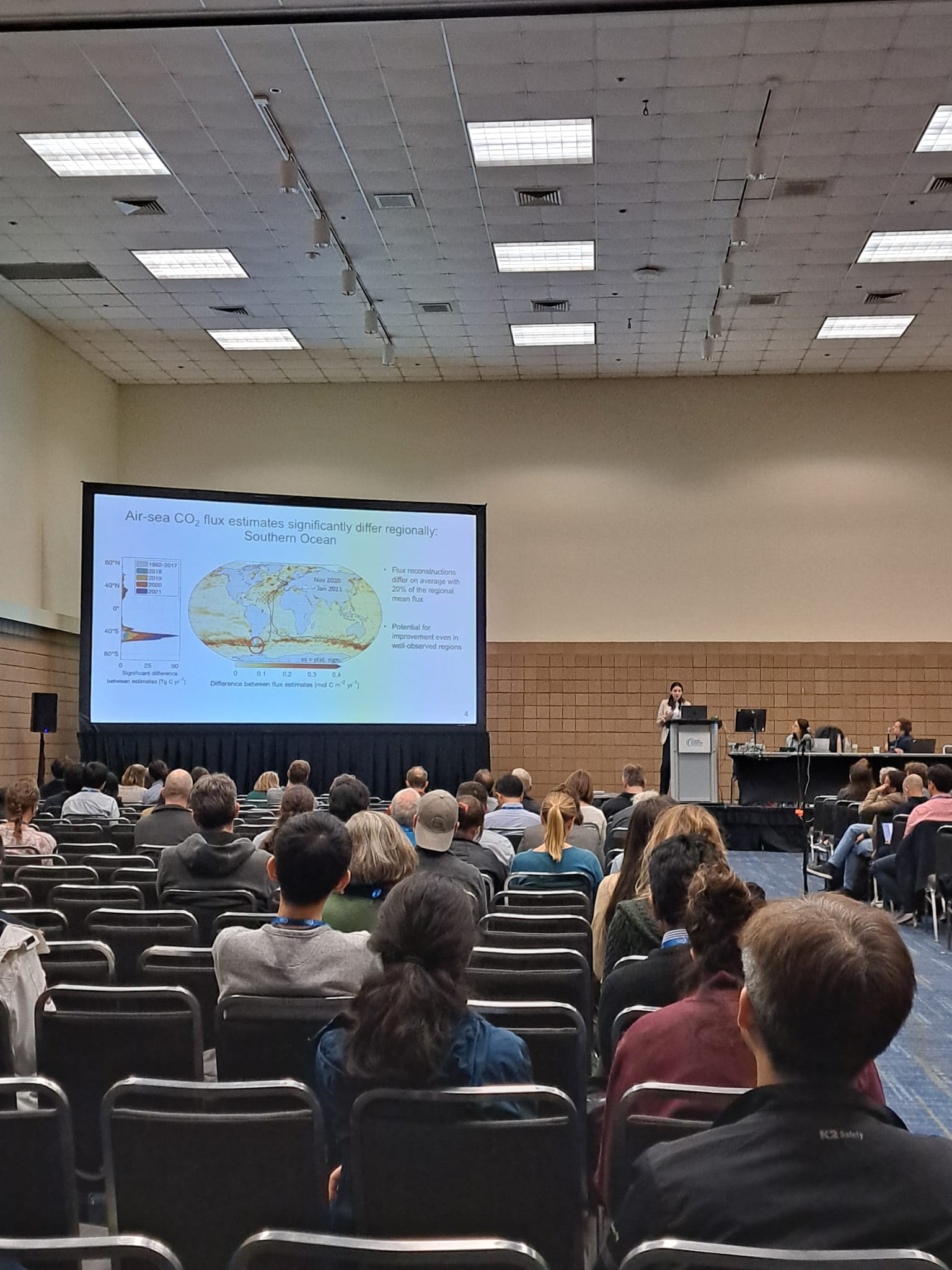
Since 2018 the sailboat Seaexplorer — Yacht Club de Monaco has collected pCO2 measurements over 129 days (2018–2021), including an Antarctic circumnavigation. These observations increase the estimated regional carbon uptake in the North Atlantic and decrease it in the Southern Ocean. Compensating changes in both basins limit the global effect, but the Southern Ocean — particularly frontal regions between 40°S and 60°S in austral summer — shows the largest air–sea CO2 flux changes, averaging 20% of the regional mean.

The results stay robust within a measurement uncertainty of ±5 µatm but become undetectable with a measurement offset of 5 µatm. Sailboats therefore fill essential measurement gaps in remote ocean regions.

Landschützer, P., Tanhua, T., Behncke, J. & Keppler, L. (2023). Sailing through the southern seas of air–sea CO2 flux uncertainty. Philosophical Transactions of the Royal Society A 381(2249), 20220064. doi:10.1098/rsta.2022.0064

Under review and in preparation

Under review

Behncke, J., et al. Effect of light and upwelling intensity on the phytoplankton community composition in the Peruvian upwelling system. Deep-Sea Research Part II, special issue "Eastern Boundary Upwelling Systems (EBUS): Past, Present and Future".

In preparation

Behncke, J., Neukermans, G. & Landschützer, P. Phytoplankton bloom type controls small-scale fCO2 variability in high-frequency sailboat observations.

In preparation

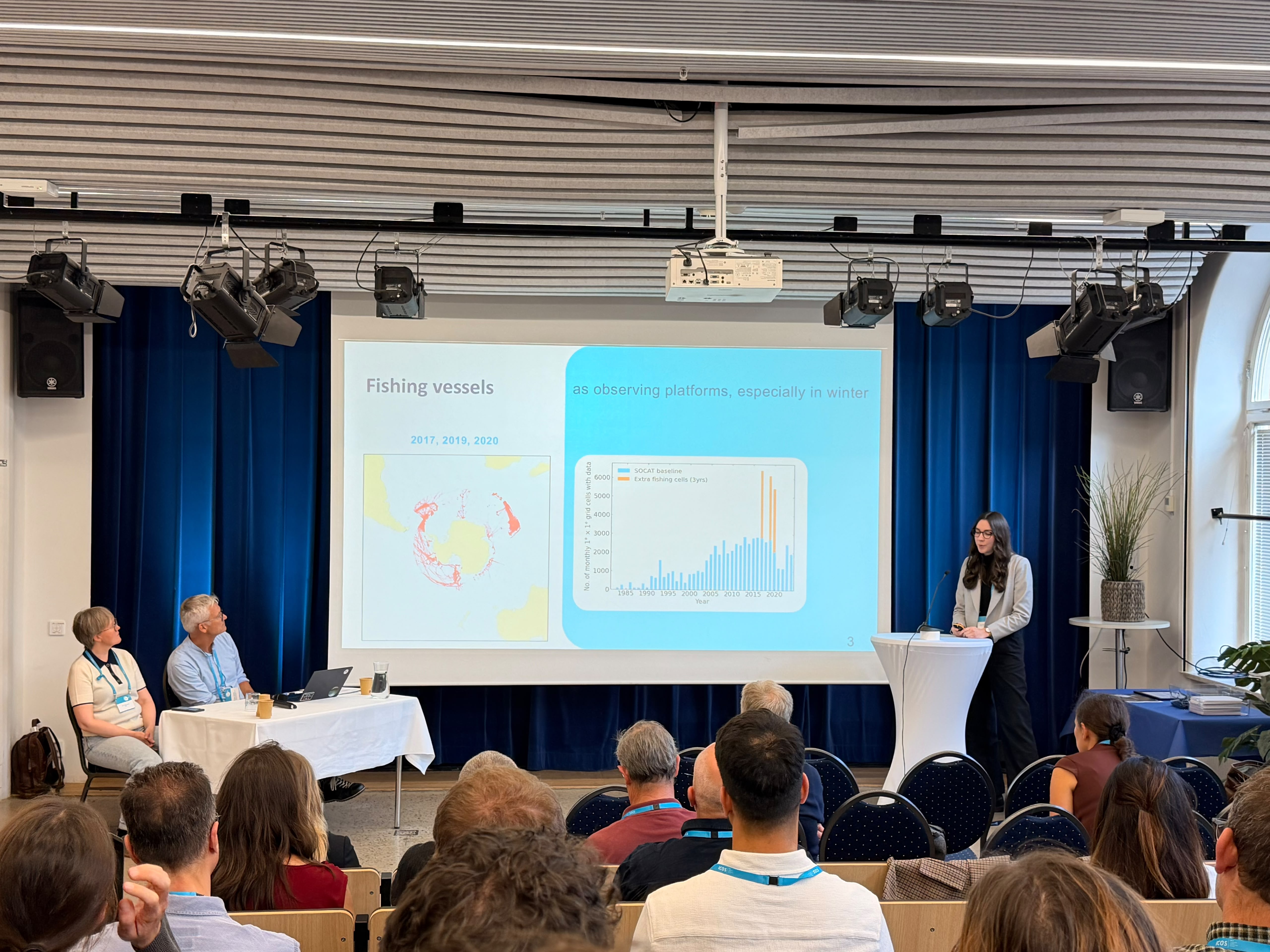
Behncke, J., et al. Opportunistic sampling from fisheries improves Southern Ocean carbon flux estimates.

Selected presentations

05/2026
DOOS Annual Meeting — Building a Global Ocean Carbon ObservatoryInvited Improved air–sea CO2 flux estimates by adding sailboat measurements
01/2026
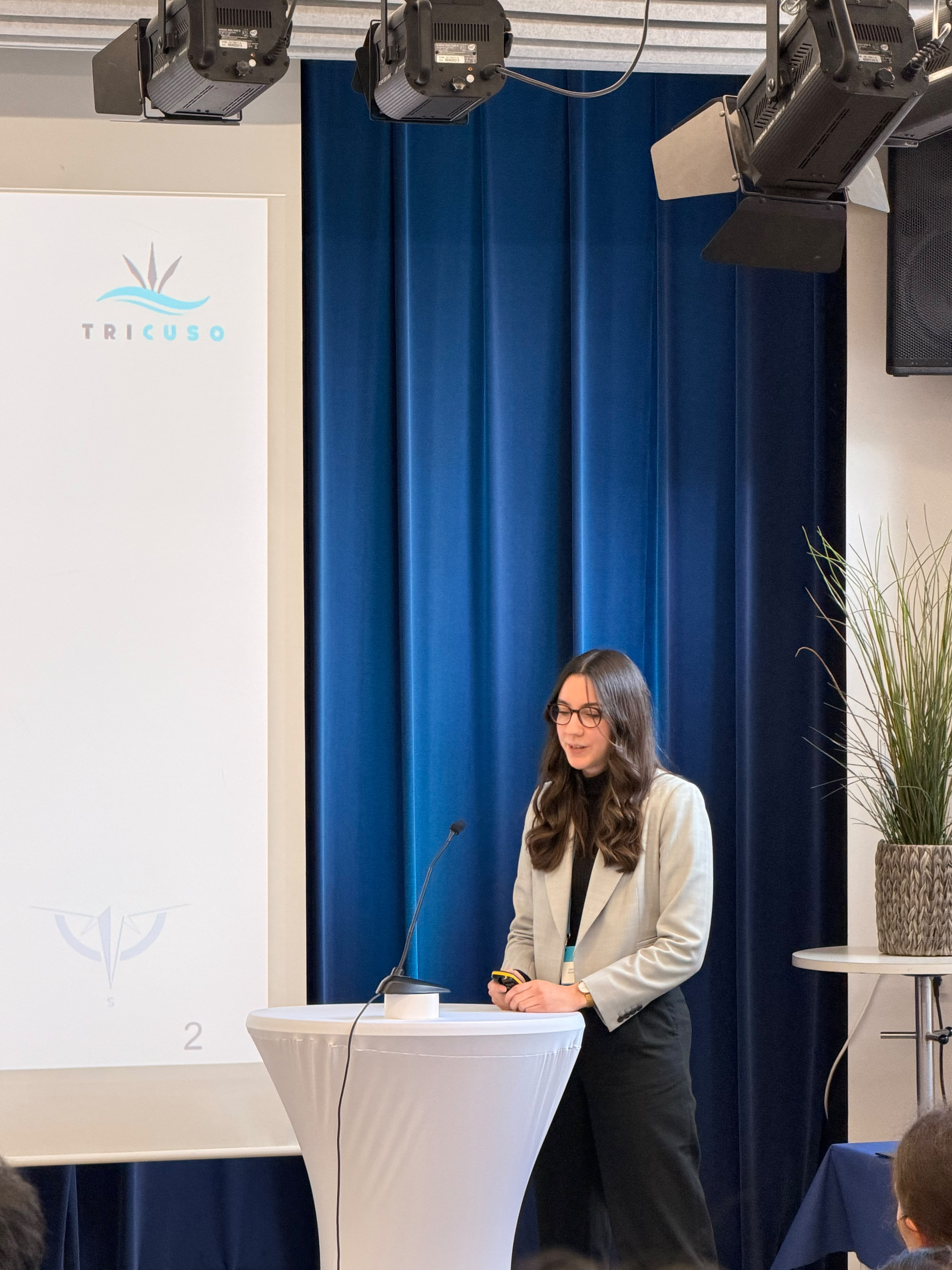
TRICUSO Annual Meeting, Bergen (NOR) Improved air–sea CO2 flux estimates from sailboat measurements
04/2025
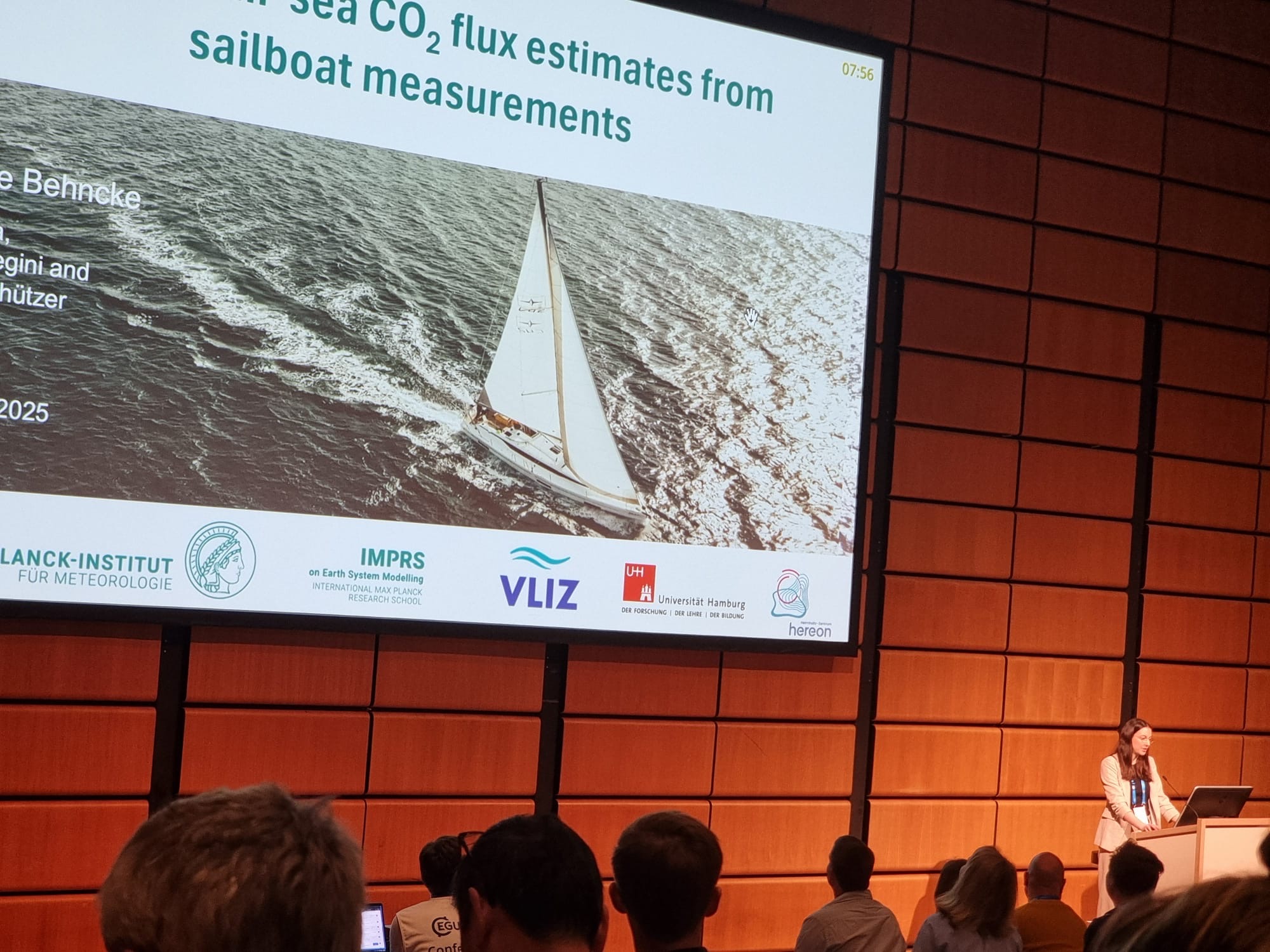
EGU General Assembly, Vienna (AUT) Improved air–sea CO2 flux estimates by adding sailboat measurements
10/2024
SOCCO — Southern Ocean Carbon & Climate ObservatoryInvited How sailboat measurements affect air–sea CO2 flux estimates
02/2024
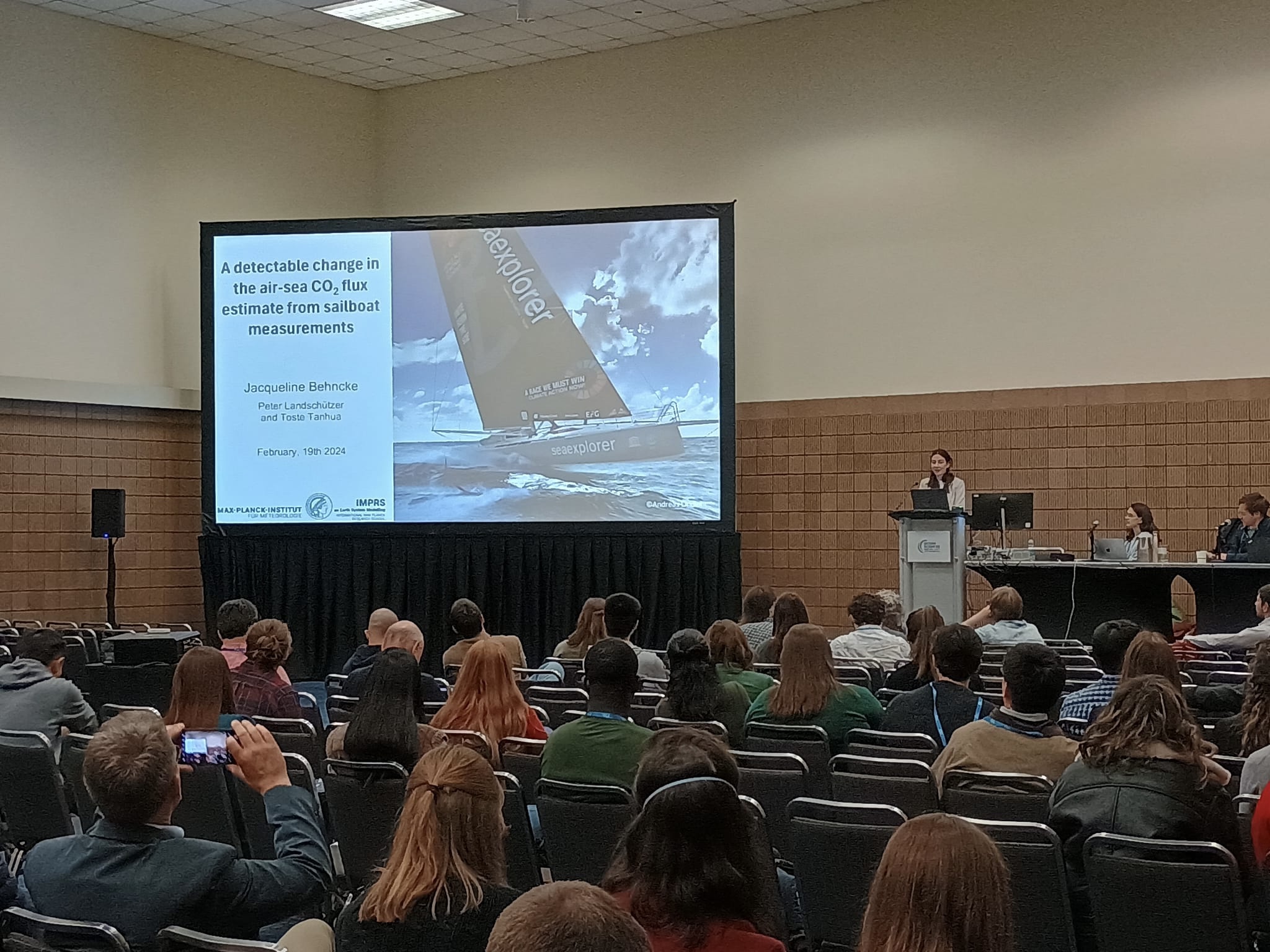
Ocean Sciences Meeting, New Orleans (USA) A detectable change in the air–sea CO2 flux estimate from sailboat measurements
11/2023
Workshop on surface ocean pCO2 observations, synthesis and data products, Oostende (BEL)Invited A detectable change in the air–sea CO2 flux estimate from sailboat measurements
07/2023
BGC-Argo Science MeetingInvited Quantifying the added value of underway pCO2 data from sailboats
05/2023
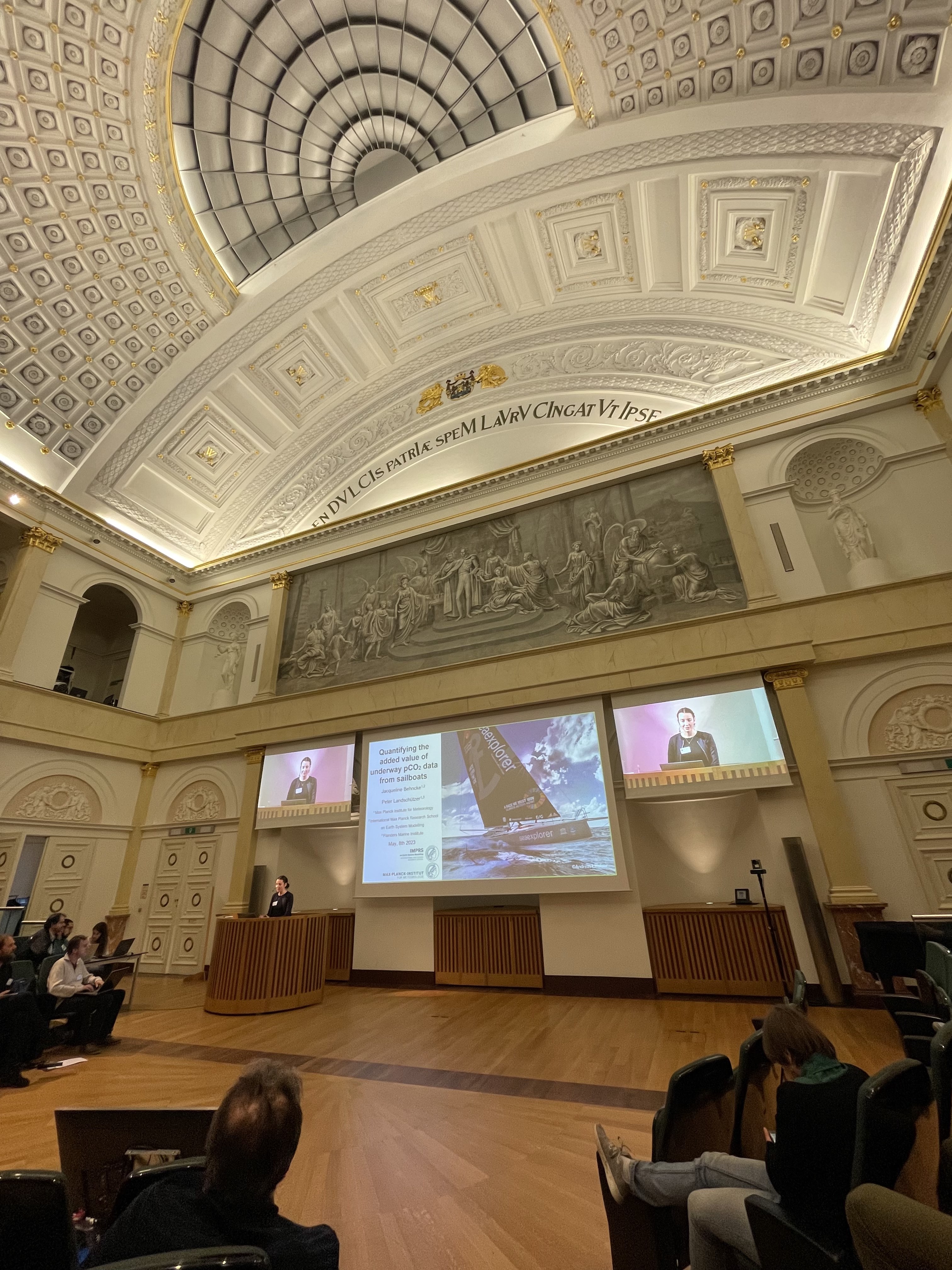
54th International Liège Colloquium on Ocean Dynamics, Liège (BEL) Quantifying the added value of underway pCO2 data from sailboats
04/2023
SOOS SOFLUX Capability Working Group webinarInvited Quantifying the added value of underway pCO2 data from sailboats
01/2023
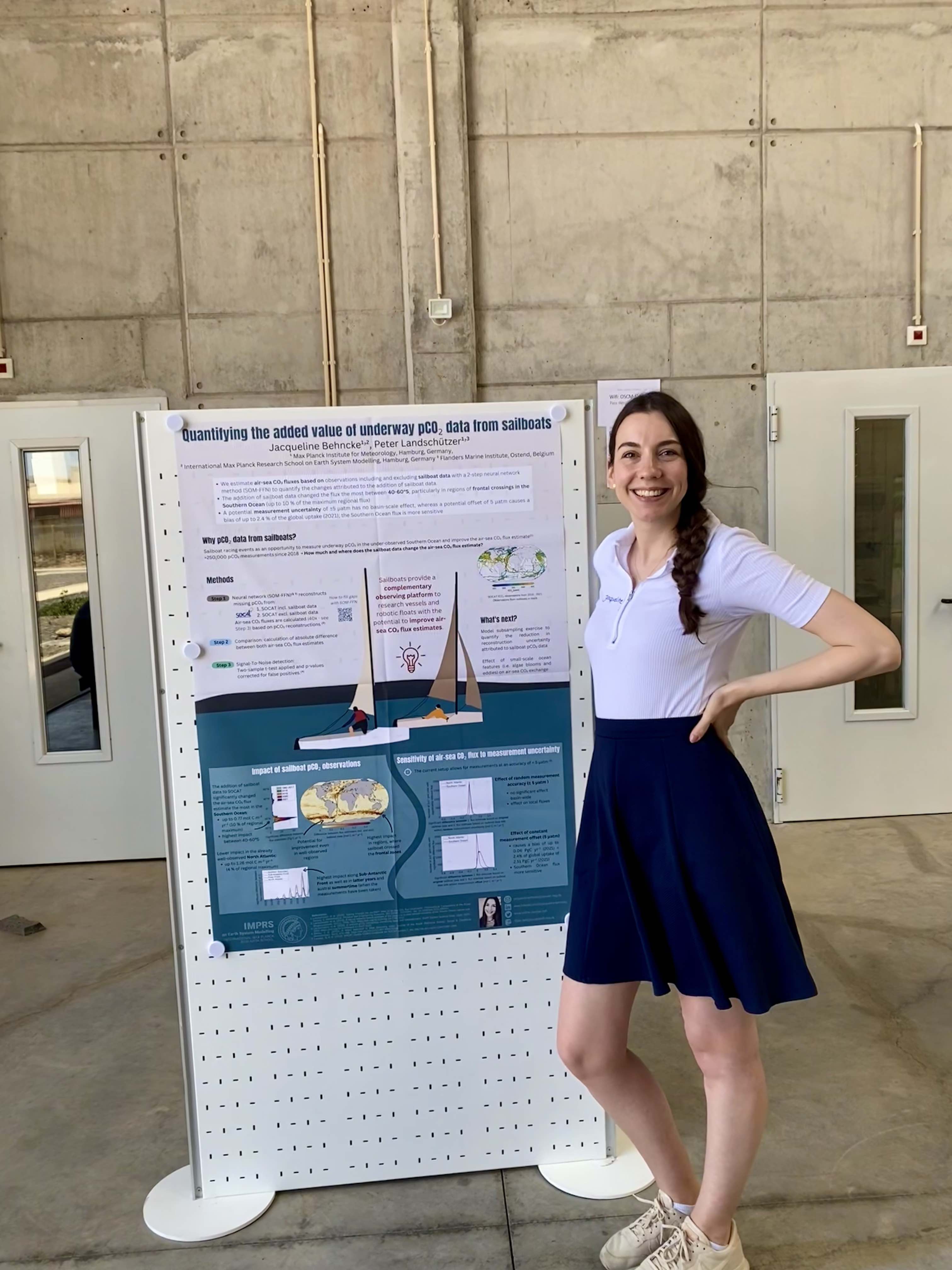
WMO International Greenhouse Gas Monitoring Symposium, Geneva (CHE) Quantifying the added value of underway pCO2 data from sailboats — poster
05/2022
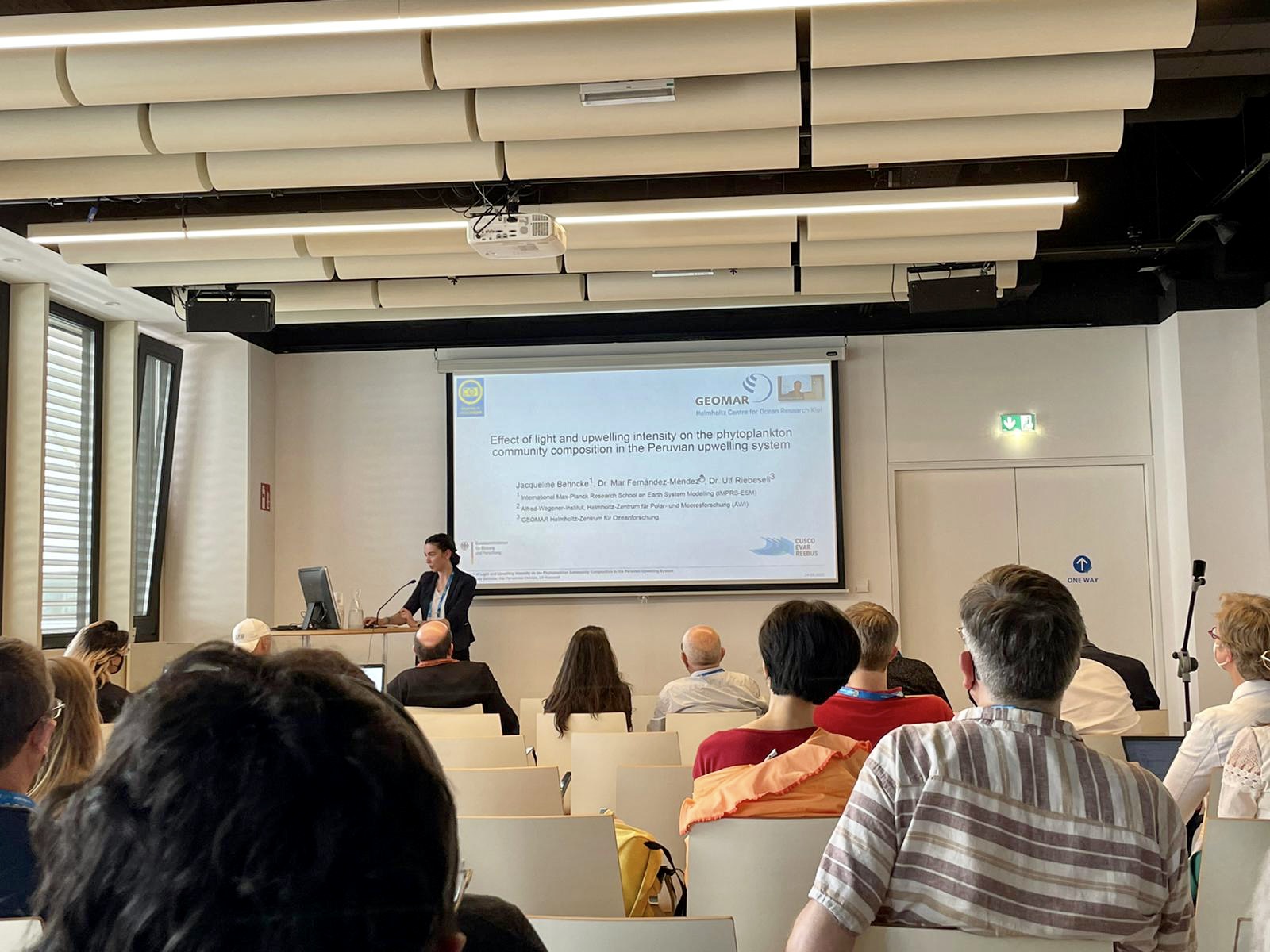
EGU General Assembly, Vienna (AUT) Effect of light and upwelling intensity on the phytoplankton community composition in the Peruvian upwelling system

Skills

Programming & analysis

Data visualisationExpert
MATLABExpert
PythonAdvanced
Machine learningAdvanced
RIntermediate
QGIS / ArcGISBasic

Languages

GermanNative
EnglishFluent

Toolbox

Methods & data

  • Machine learning
  • Statistical analyses
  • Observing system simulation experiments
  • Satellite remote sensing data
  • In situ pCO2 data
  • Model data (HAMOCC, E3SM)
  • Stable isotope incubations
  • Mesocosm experiments
  • Sample preparation
  • Quality control

Communication & collaboration

  • Scientific writing
  • Presenting
  • Peer review
  • Science communication
  • Scientific outreach
  • Supervision & mentoring
  • Teamwork
  • Strategic planning

Grants, funding & awards

GEOMAR Postdoctoral Activities Call 2026 Co-applicant, awarded (€14,700)
FYORD Travel Grant Recipient
Best Twitter Post Award SOLAS Summer School 2023, Mindelo, Cabo Verde

Outreach

Media

Writing & editing

Science communication

Open science

Contact

Download CV (PDF)

jacqueline.behncke@hereon.de

ORCID

Google Scholar

ResearchGate

LinkedIn

Bluesky

Helmholtz-Zentrum Hereon, Geesthacht · GEOMAR Helmholtz Centre for Ocean Research Kiel
Built with plain HTML and CSS. No trackers, no cookies.